Digital transformation for London SMEs: more than “going paperless”
Digital transformation is the structured use of digital solutions to rethink how your business operates, serves customers and grows – not just scanning forms or buying new software. It touches your strategy, processes, data, people and technology, usually over 1–3 years rather than a single project.
For London SMEs juggling high costs, demanding clients and tight teams, transformation is about doing more with less: automating manual work, connecting systems, enabling hybrid work and strengthening security so you can scale without losing control. SI ICT already positions itself around cloud, Microsoft and managed security services, which are the core building blocks of a sustainable digital transformation for smaller organisations.
What “digital solutions” really mean for London SMEs
In the fast-paced business districts of the City, Canary Wharf, and Shoreditch, “Digital Transformation” is often dismissed as a corporate buzzword. However, for a London SME, it is the difference between being a market leader and becoming obsolete.
True transformation isn’t just about buying new laptops; it’s about integrating digital solutions that fundamentally change how you deliver value to your customers.
Digital transformation can feel abstract until you translate “digital solutions” into concrete tools and changes that staff will see day to day. Typical pillars include:
-
Cloud productivity and collaboration
Moving email, files and teamwork into cloud platforms like Microsoft 365, so staff can work securely from anywhere, with Teams, SharePoint and OneDrive replacing legacy file servers and ad‑hoc tools. -
Line‑of‑business and sector apps
Modern CRM, case‑management, project, ERP or practice‑management systems that centralise customer and job data, integrate with email and finance, and replace spreadsheets. -
Data and reporting
Dashboards and self‑service reporting instead of manual Excel exports, giving leaders near‑real‑time visibility of sales, utilisation, cashflow or service levels. -
Automation and workflows
Low‑code tools (such as Power Automate/Power Apps) or built‑in workflow engines to remove rekeying between systems, auto‑route approvals, and trigger alerts when thresholds are reached. -
Security and resilience baked in
Identity, endpoint protection, monitoring and backup designed alongside new solutions – not bolted on later – so you do not grow your attack surface while modernising.
SI ICT’s own portfolio – Microsoft cloud, Google Cloud, Amazon Web Services, managed IT/security, consultancy and sector support (like non‑profits) – is exactly the kind of stack SMEs build on when they start their transformation journey.
Why London SMEs Must Evolve Now
The London market is unique. With the highest concentration of hybrid workers in the UK and a hyper-competitive recruitment landscape, your technology is your “Digital Office.” If your systems are slow, disconnected, or insecure, you lose talent and clients to more agile competitors.
The Core Pillars of Your Digital Roadmap
At SI ICT, we break down the complex journey of transformation into four manageable phases:
Phase 1: Infrastructure Modernisation (The Foundation)
You cannot build a skyscraper on a swamp. Before adopting AI or advanced analytics, your foundation must be solid.
-
Cloud Migration: Moving from aging on-premise servers to Microsoft Azure or AWS.
-
Connectivity: Ensuring high-speed, resilient internet that supports a “Work from Anywhere” culture.
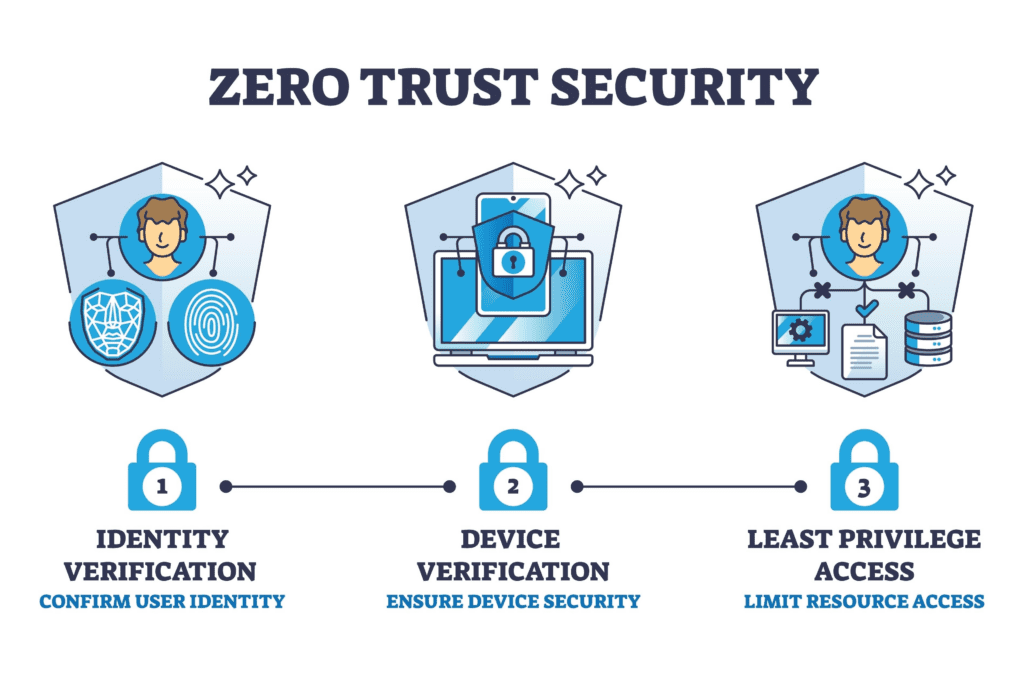
Phase 2: Security by Design (The Shield)
As you digitize, your “attack surface” grows. Digital transformation without a security-first mindset is a liability.
-
-
Zero Trust Architecture: Moving away from traditional passwords to identity-based security.
-
Compliance: Ensuring your data flow meets strict UK GDPR and Cyber Essentials standards.
-
Phase 3: Collaborative Intelligence (The Engine)
Transformation happens when your team can collaborate without friction.
-
Unified Communications: Integrating VoIP and Microsoft Teams to break down silos.
-
Automated Workflows: Using Power Automate to handle repetitive administrative tasks, freeing your staff for high-value work.
Phase 4: Data-Driven Decision Making (The Compass)
The final stage of the roadmap is turning your raw information into “Digital Solutions.”
-
Real-time Analytics: Using Dashboards to see exactly where your London firm is growing and where it’s leaking revenue.
The SI ICT “Transformation Framework”
Step 1: The Digital Audit
We analyze your current “tech debt”—the old systems that are costing you more to maintain than they are worth.
Step 2: Strategic Alignment
We align your IT budget with your 3-year business goals. We don’t just provide “IT Support”; we provide a Virtual CIO (vCIO) service to guide your board.
Step 3: Cultural Change
Technology only works if people use it. We provide the training and support to ensure your London team embraces the new tools.
A practical five‑phase digital transformation roadmap
Most successful London SMEs follow a phased roadmap rather than a “big bang” approach. A simple five‑phase model works well, and you can be at different phases in different parts of the business.
Phase 1 – Discover and assess
-
Map current processes and pain points (sales, service delivery, finance, operations).
-
Identify where manual work, paper or spreadsheets cause delays, errors or rework.
-
Audit existing systems (on‑premises and cloud), licences and digital skills in your team.
-
Define business‑level goals: e.g. “reduce order‑to‑cash time by 40%”, “halve onboarding time”, “enable hybrid work without VPN headaches”.
Phase 2 – Strategy and roadmap
-
Prioritise initiatives by impact vs effort: quick wins first, foundations next, “nice‑to‑haves” later.
-
Decide which platforms will be “core” (e.g. Microsoft 365, Google Workspace, a chosen CRM/ERP) and which legacy systems must be replaced or integrated.
-
Build a 12–36 month roadmap with indicative budgets, sequencing projects so you don’t overload your team.
-
Assign ownership (internal sponsor plus external partner such as SI ICT) and agree how progress will be measured.
Phase 3 – Quick wins and pilots
-
Start with projects that are low risk but clearly beneficial, such as:
-
Migrating email and files to Microsoft 365 / Google Workspace.
-
Replacing manual approvals with simple digital workflows.
-
Rolling out secure remote access and MFA.
-
-
Pilot new tools with a subset of users, capture feedback and refine before wider rollout.
-
Measure time saved, error reduction or customer satisfaction improvements to build momentum.
Phase 4 – Scale and integrate
-
Roll successful pilots across departments or locations (e.g. standardised Teams/SharePoint, Google Workspace structure, CRM across all sales teams).
-
Integrate systems so data flows automatically: link CRM and finance, case management and document storage, e‑commerce and inventory.
-
Standardise processes and documentation so new starters and sites follow the same patterns.
Phase 5 – Optimise and innovate
-
Use analytics to refine pricing, staffing, marketing and service design.
-
Explore more advanced capabilities (AI‑assisted features in Microsoft 365, chatbots, predictive reporting) once foundations are stable.
-
Continuously adjust the roadmap as your market and technology options evolve.
Why Partner with SI ICT for Your Journey?
Many digital solutions providers offer a “one-size-fits-all” approach. At SI ICT, we understand that a legal firm in Mayfair has different needs than a creative agency in Hackney.
We are local, we are proactive, and we are committed to making London SMEs the most tech-resilient businesses in the world.
Ready to start your roadmap? Book a Digital Transformation Audit with SI ICT →
Get support for your Digital Transformation.
Book your introductory strategy session with an SI ICT consultant today to gain clarity and direction
Book a Free Strategy Session Consultation with SI ICT