
Why Kent businesses are moving to VoIP phone systems
A VoIP phone system (Voice over Internet Protocol) routes calls over your internet connection instead of traditional copper phone lines. With the UK public switched telephone network (PSTN) being phased out, VoIP is rapidly becoming the default for business telephony.
For Kent organisations that work across multiple sites, serve London clients or support hybrid teams, VoIP delivers lower call costs, simpler scaling and rich features like voicemail‑to‑email and softphones on laptops and mobiles. Providers can also integrate VoIP with Microsoft 365 / Google Voice and collaboration tools, which aligns well with SI ICT’s Microsoft‑centric or Google Voice approach to IT and communications.
What is a VoIP phone system?
Instead of every call travelling over dedicated phone lines, a VoIP phone system converts your voice into data packets that travel over your broadband or leased line. Staff can make and receive calls on desk phones, PCs, or mobile apps, all tied back to the same business numbers and call routing rules.
VoIP platforms typically offer:
-
Direct dial numbers and extensions for each user.
-
Ring groups and queues (e.g. sales, support, reception).
-
Auto‑attendants (“Press 1 for Sales, 2 for Support”).
-
Voicemail‑to‑email, call forwarding and call recording.
-
Softphones and mobile apps so people can work anywhere.
For Kent SMEs, the result is an enterprise‑style phone system without having to host and manage a physical PBX in the office.
What is a VoIP Phone System?
VoIP (Voice over Internet Protocol) allows you to make and receive calls over the internet rather than a physical phone line. It turns your office desk phone, your laptop, and your smartphone into a unified communication tool.
From the historic high streets of Canterbury to the bustling trade hubs of Dartford and Ashford, Kent’s business landscape is changing. The traditional copper-wire telephone system that has served the “Garden of England” for decades is being retired.
By December 2025, the UK’s PSTN (Public Switched Telephone Network) will be switched off entirely. For Kent businesses, the question is no longer if you should move to a VoIP phone system, but which one will drive your growth.
Why Kent Businesses are Making the Switch
1. Cost Efficiency (The “Local” Advantage)
Traditional phone lines involve expensive line rental and high call charges. A VoIP system typically runs on a fixed monthly subscription, often reducing call costs by up to 50%. For firms in Maidstone or Sevenoaks, this means more capital to reinvest in local growth.
2. Ultimate Hybrid Flexibility
Does your team work from a converted barn in the Weald two days a week and a London office the other three? With VoIP, your “office number” follows you. Clients call your local 01622 or 01227 number, and it rings on your laptop or mobile app seamlessly.
3. Professional Features as Standard
Small businesses can now sound like enterprise giants. VoIP systems include:
-
Auto-Attendant: “Press 1 for Sales, 2 for Support.”
-
Voicemail-to-Email: Read your messages in your inbox.
-
Video Conferencing: Built-in HD meetings without needing separate software.
The Kent Business Checklist: Choosing Your VoIP Partner
Not all VoIP systems are created equal. When auditing providers, use this checklist:
A. Call Quality & Fibre Connectivity
A VoIP system is only as good as your internet. Before installing, SI ICT performs a “Leased Line” or “FTTP” audit to ensure your Kent office has the bandwidth to handle crystal-clear HD calls without jitter.
B. Integration with Microsoft 365
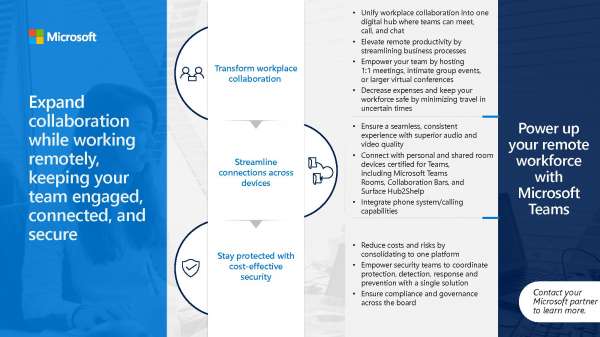
If your firm uses Teams, you can integrate your phone system directly into your Microsoft ecosystem. This allows you to make external calls directly from the Teams interface your staff already use.
C. Local Support & Setup
Large national providers often leave you with a “box of phones” and a manual. A local partner like SI ICT provides on-site setup across Kent, ensuring your porting (keeping your existing number) happens without a second of downtime.
Key benefits of a VoIP phone system for Kent businesses
1. Lower and more predictable costs
-
Calls between your own sites and many UK numbers are often included or far cheaper than legacy lines.
-
You typically pay per user per month, which is easier to budget than capex PBX upgrades and line rental.
2. Built‑in flexibility and scalability
-
Add or remove users in minutes rather than waiting for new lines and engineer visits.
-
Ideal for seasonal businesses, project‑based teams or fast‑growing SMEs across Kent and London.
3. Better support for remote and hybrid work
-
Staff can take calls on mobile or desktop apps from home, customer sites or on the road, while presenting your business number.
-
Home workers feel fully part of the office phone system rather than using personal mobiles.
4. Professional caller experience
-
Auto‑attendants, hunt groups, time‑of‑day routing and call queues help you handle peaks without losing calls.
-
Integration with CRM and ticketing systems means staff see who is calling and can respond faster.
What to look for in a VoIP phone system (beyond price)
When choosing a VoIP phone system for your Kent business, focus on long‑term fit, not just the cheapest offer.
-
Reliability and call quality
-
Look for QoS‑aware solutions and providers that can advise on connectivity (FTTP/leased line) for clear, stable calls.
-
-
Core features you actually need
-
Auto‑attendant, call queues, voicemail‑to‑email, call recording, mobile apps, reporting.
-
Check whether features are standard or charged as add‑ons.
-
-
Integration with your tools
-
Microsoft 365/Teams, Google Voice, CRM, helpdesk and contact‑centre integrations can lift productivity and customer experience.
-
-
Support and management
-
Local, responsive support from a provider who understands your wider IT and security environment, not just the phones.
-
-
Security and compliance
-
Encryption, secure remote access, role‑based administration and clear data‑handling policies – particularly important for sectors handling sensitive information.
-
VoIP vs traditional phone systems: quick comparison
For most Kent SMEs, a hosted VoIP solution offers more flexibility and resilience, particularly as BT switches off legacy lines.
A simple step‑by‑step approach to choosing your VoIP phone system
-
Map your current and future needs
-
Number of users now and in 12–24 months, office vs remote workers, departments needing queues (sales, support, reception).
-
-
Audit your connectivity
-
Check current bandwidth, contention and reliability; upgrade to business‑grade broadband or leased line if needed to support VoIP.
-
-
List must‑have and nice‑to‑have features
-
Must‑have examples: main number, IVR, hunt groups, voicemail‑to‑email, mobile app.
-
Nice‑to‑have: call recording, wallboards, CRM integration, Microsoft Teams integration.
-
-
Shortlist providers and platforms
-
Compare 3–4 VoIP platforms that serve Kent businesses, checking SLAs, support hours, and how they handle porting your existing numbers.
-
-
Run a pilot
-
Test with a small team for a few weeks to validate call quality, features and usability before rolling out to the whole business.
-
-
Plan rollout and training
-
Stage deployment by team or site, provide short “how to” guides for desk phones and apps, and set expectations around using the new system.
-
Conclusion: Don’t Get Left Behind by the “Big Switch Off”
The copper wires are being disconnected. Choosing a VoIP phone system isn’t just about modernizing; it’s about future-proofing your Kent business. Whether you are a small boutique in Royal Tunbridge Wells or a large logistics firm in Medway, the right system will make you more reachable, professional, and profitable.
Ready to make the switch? Book your Kent VoIP Audit with SI ICT →
Get support for your VoIP Phone System.
Book your introductory strategy session with an SI ICT consultant today to gain clarity and direction
Book a Free Strategy Session Consultation with SI ICT